

GeoMe Argues Phone Orders Are the Highest Hidden Labor Cost in Counter-Service Businesses
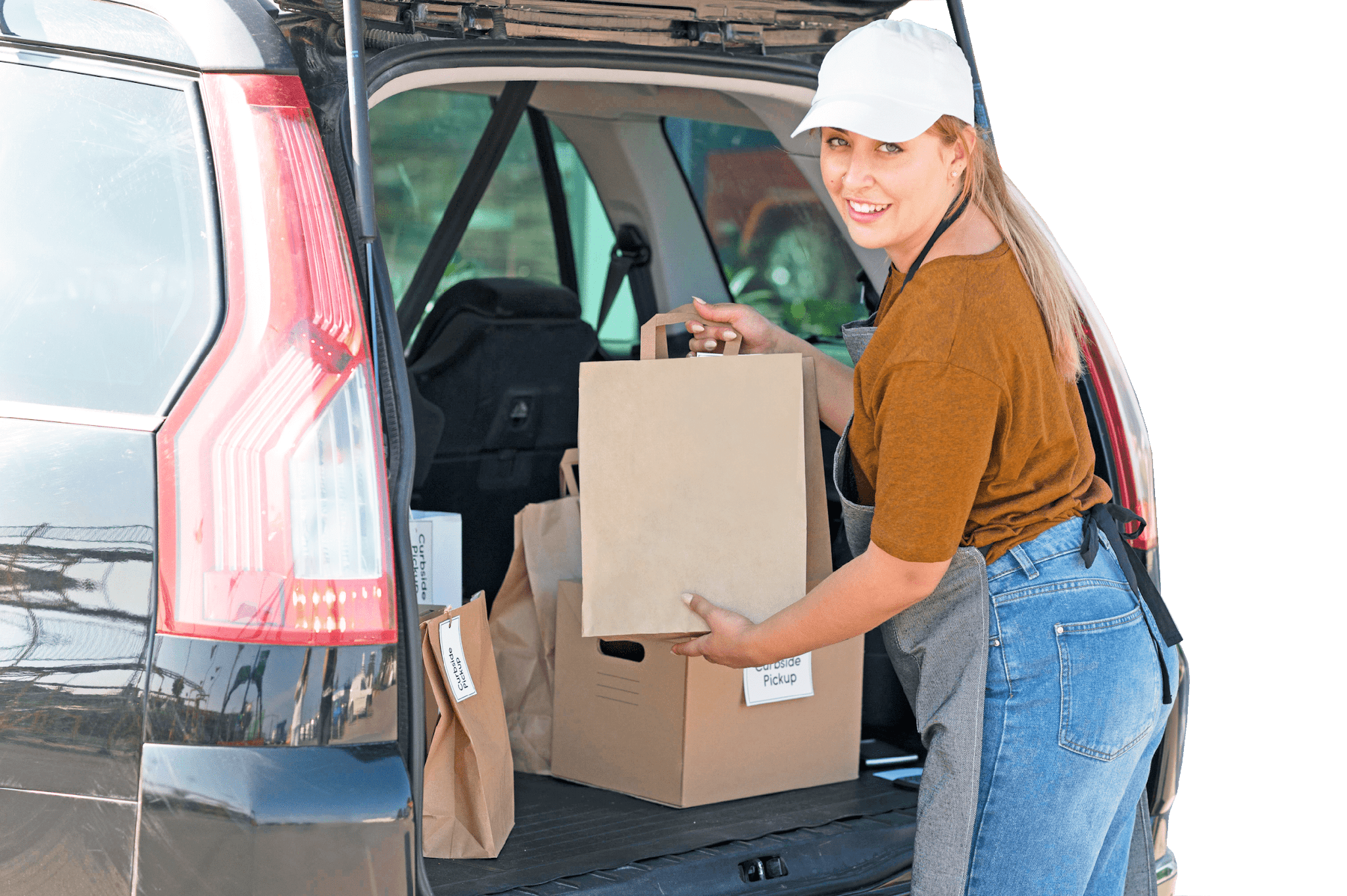
Curbside Pickup

The DishDash App
GeoMe says the phone is the only channel where customers decide when staff have to stop working, and points to a feature that moves callers onto the platform.
Fewer minutes taking dictation over a phone during the lunch rush, more minutes making the thing the customer is paying for.”
CA, UNITED STATES, August 29, 2026 /EINPresswire.com/ -- GeoMe has identified telephone ordering as the largest uncosted labor expense in most counter-service businesses, and says its Curbside Pickup platform includes a function that allows staff to move regular phone customers onto the app without turning them away.— Rami Smair, Founder and CEO
The claim arrives in a difficult year for labor budgets. Minimum wages rose in 22 states in 2026, following comparable increases the year before, and California's statewide rate moved to $16.90 an hour on January 1. The National Restaurant Association estimates the industry still requires more than 200,000 additional workers to reach pre-pandemic staffing levels, and hospitality continues to carry one of the highest turnover rates of any sector, exceeding 70% annually.
Businesses are paying more per hour, competing harder for every hire, and losing staff faster than they can train replacements. GeoMe's argument is that the response has focused almost entirely on the hourly rate and almost not at all on what those hours are spent doing.
"The phone is the only channel where the customer decides when you have to stop what you're doing," said Rami Smair, Founder and CEO of GeoMe. "A phone order arrives at the worst possible moment by definition, because the busiest moment is when people call. Somebody puts down what they're holding, wipes their hands, finds a pen, reads the menu out loud, reads the order back, takes a card number, and then tries to remember where they were. That is four minutes of a shift that produced nothing, and it happens forty times on a Friday."
The interruption also compounds. A staff member pulled off a task during peak service is slower on the task they return to, and the customers physically present wait longer while a caller is served ahead of them.
Moving the caller rather than losing them
The company says the reason most businesses tolerate the cost is that the alternative appears to be refusing orders. A regular customer who has phoned in the same order every Thursday for six years is not somebody a business wants to redirect to an app.
The platform's approach is to convert the call rather than reject it. Staff take the order as normal, enter it into the platform, and the customer receives a link that handles payment and arrival notification. The next order can be placed directly, with the customer's previous order available to repeat in a few taps. The business keeps the customer and the customer keeps the convenience, but the transaction stops consuming staff time during service.
"What changes is what those working hours are spent on. Fewer minutes taking dictation over a phone during the lunch rush, more minutes making the thing the customer is paying for." Smair said.
Where the margin moves
Orders placed through the platform carry no third-party commission, so the full ticket less payment processing stays with the business. A business able to process more orders during its busiest hour spreads the same rent, utilities and rostered staff across more revenue, which is where counter-service margin is made or lost. And staff hours redirected from transaction handling to production increase what a fixed roster can output without adding a shift.
The platform runs on mobile phones, tablets or computers a business already owns, requires no specialist hardware, and can be configured in under an hour, which matters in a sector where releasing a staff member for a training day is itself a cost. The first 10 orders each month are free with no credit card required, and billing after that is month-to-month with no contract.
More at https://www.curbsidepickup.io/
About GeoMe
GeoMe is the company behind Curbside Pickup, an order-ahead and pickup technology platform for counter-service businesses. The platform supports curbside handover, in-store pickup, table ordering and counter pickup, with automated geofence arrival notifications, integrated payments and business reporting. It is used by restaurants, cafes, pharmacies, grocers, florists, butchers, fishmongers, liquor stores, pet supply and auto parts retailers, mobile food trucks and other businesses that hand goods across a counter. Curbside Pickup and Curbside Pickup Business are available on iOS and Android, and customers can also order through any mobile browser.
https://www.curbsidepickup.io/
Amira Smair
GeoMe
media@geome.io
Visit us on social media:
LinkedIn
Instagram
YouTube
Legal Disclaimer:
EIN Presswire provides this news content "as is" without warranty of any kind. We do not accept any responsibility or liability for the accuracy, content, images, videos, licenses, completeness, legality, or reliability of the information contained in this article. If you have any complaints or copyright issues related to this article, kindly contact the author above.
