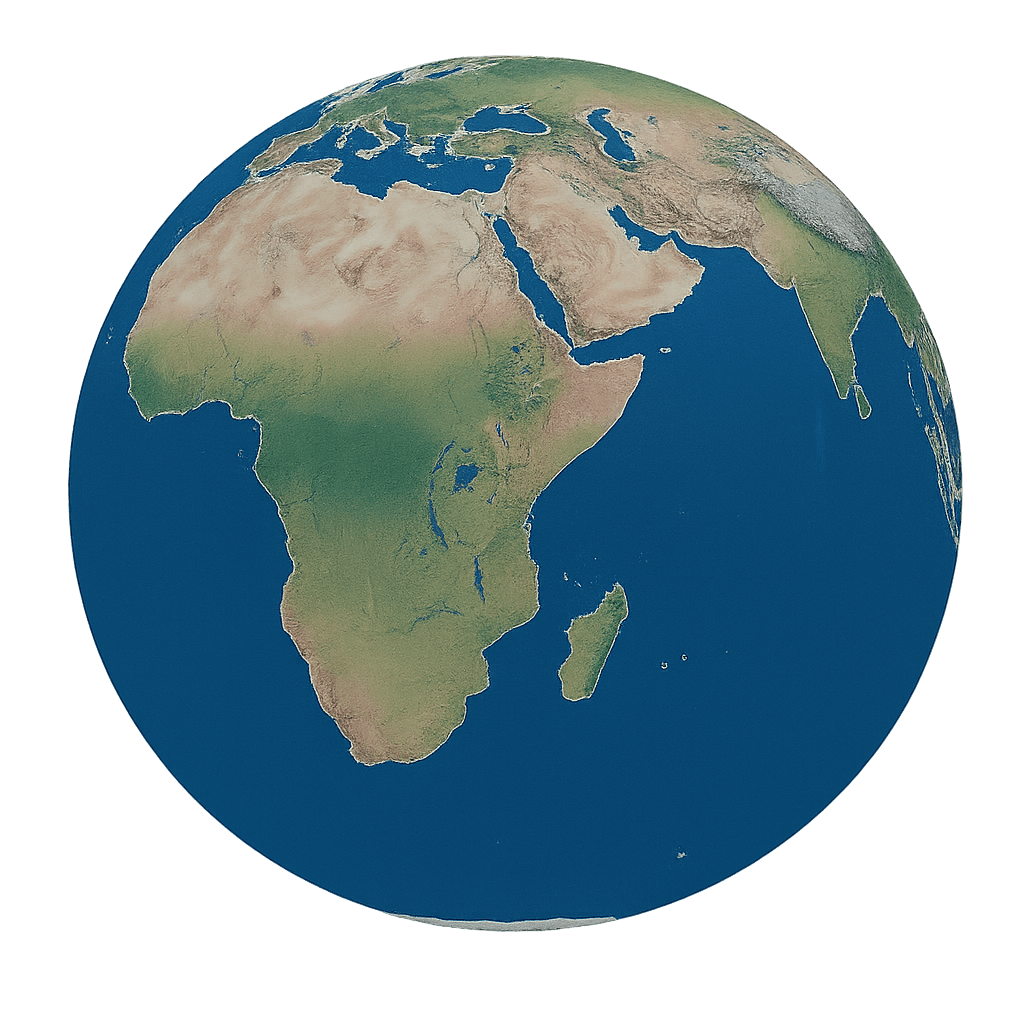

New Chapter in India’s Wildlife Conservation: Cheetah population crosses 50 as nine Botswana cheetahs arrive at Kuno
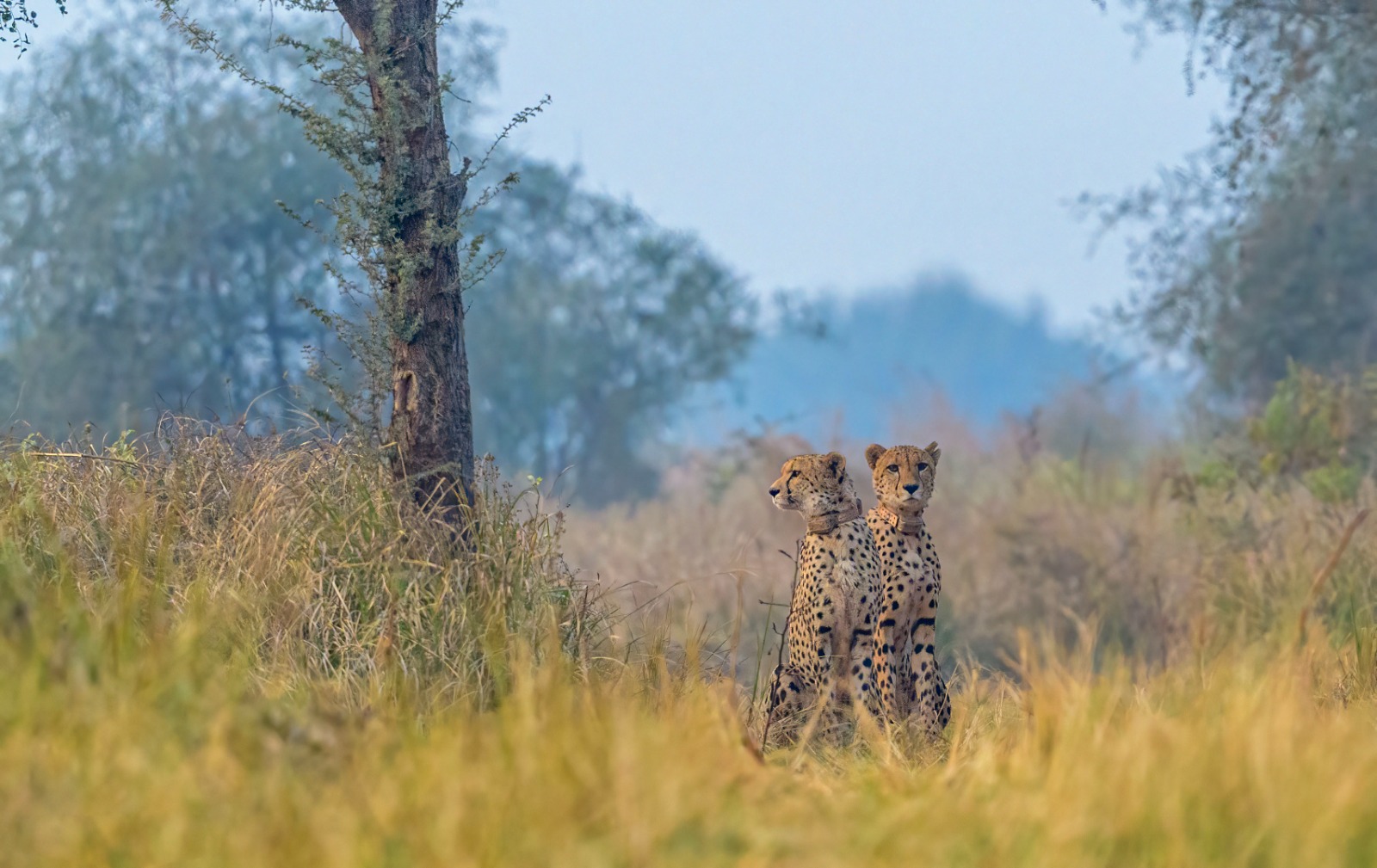
The Majestic Cheetah's at Kuno National Park
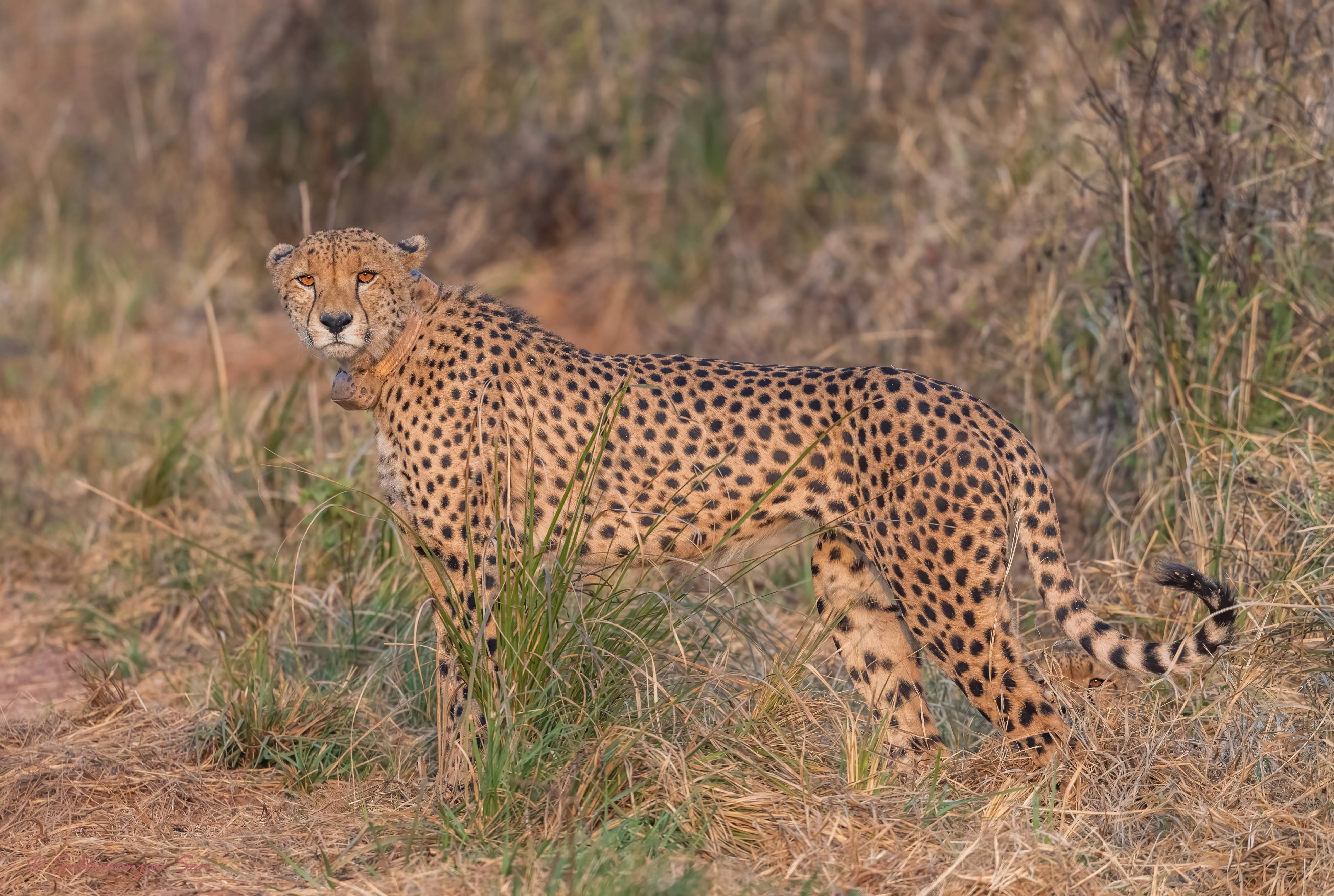
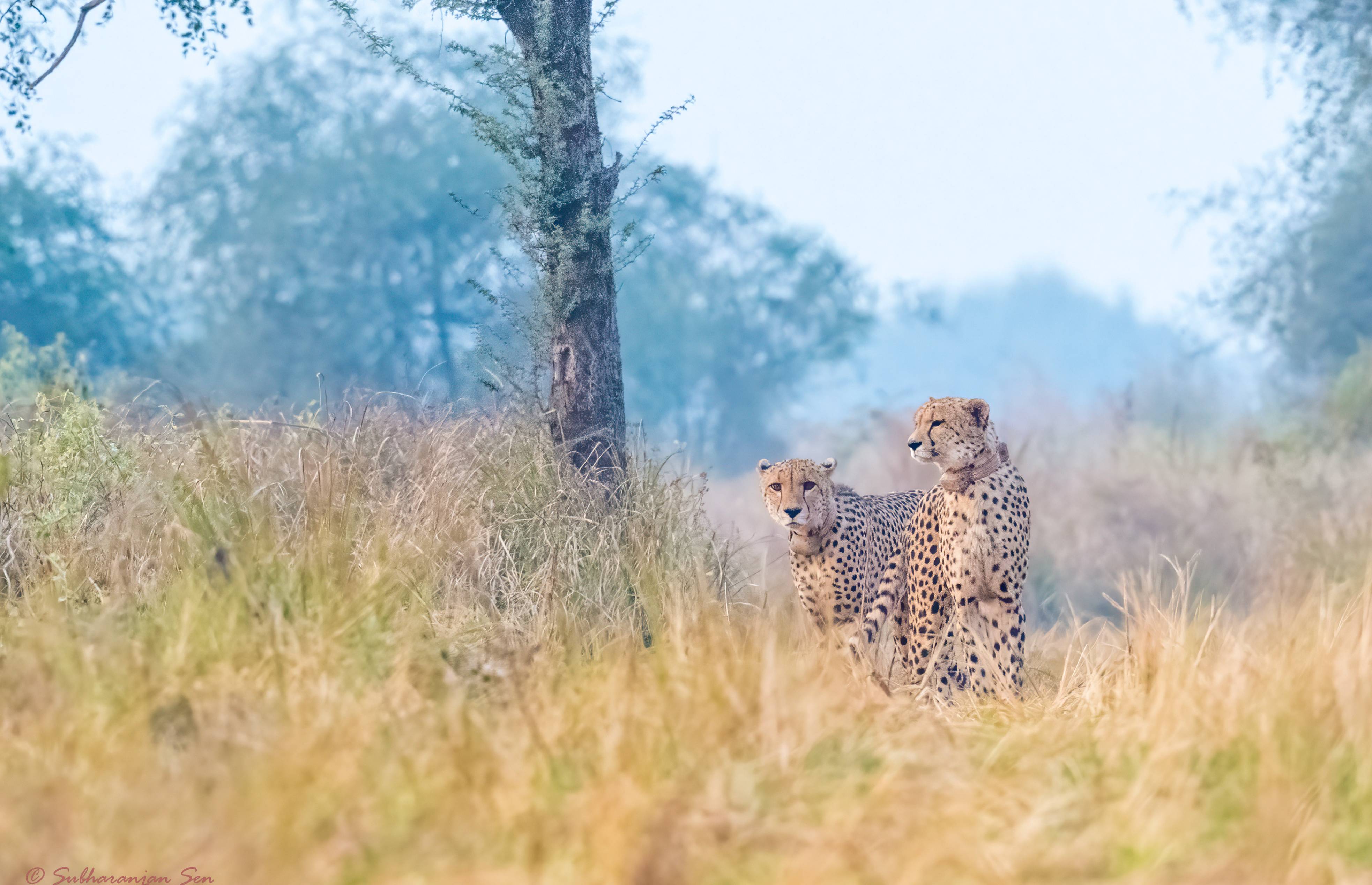
The newly translocated group—comprising six females and three males—has been brought to India as part of ongoing international conservation cooperation aimed at establishing a stable and genetically diverse cheetah population. Upon arrival, the animals were placed in specially prepared acclimatization enclosures at Kuno, where they will remain under close veterinary and behavioral monitoring before their gradual release into the park’s open landscape.
The latest translocation marks another milestone in Project Cheetah, the world’s first intercontinental large carnivore relocation initiative, launched by the Government of India in 2022. The program began with the relocation of cheetahs from Namibia and South Africa, followed by continued international partnerships aimed at strengthening genetic diversity and ensuring long-term population sustainability.
Located in central India, Kuno National Park was identified as the primary site for cheetah reintroduction because of its expansive grasslands, dry deciduous forests and healthy prey base. Over the past three years, the park has emerged as the focal landscape for India’s cheetah restoration efforts.
Alongside the arrival of the new animals, the program has recorded a major breeding milestone. The recent birth of five cubs at Kuno on 9 March 2026 to the Namibian cheetah Jwala has pushed India’s total cheetah population to 53 individuals, including both translocated adults and cubs born in India.
This birth represents the tenth successful cheetah litter recorded in the country since the launch of Project Cheetah, reflecting encouraging progress toward establishing a self-sustaining breeding population. With the new litter, the number of cheetah cubs born in India has now reached 33, signaling the emergence of a second generation of cheetahs adapting to Indian ecosystems.
Jwala, an eight-year-old cheetah translocated from Namibia, has emerged as one of the most successful mothers in the program. The latest litter marks her third successful birth in India, following earlier litters in March 2023 and January 2024.
Other female cheetahs at Kuno have also contributed to the growing population. Gamimi, a cheetah brought from South Africa’s Tswalu Reserve, has produced two litters, while Veera, another South African cheetah, gave birth to her first cub in 2025. In a symbolic milestone for the program, Mukhi—the first cheetah born in India under Project Cheetah—also became a mother, delivering five cubs in November 2025.
Conservation officials attribute the steady rise in births to improved habitat management, strengthened protection measures and continuous veterinary monitoring across the Kuno landscape.
Declared extinct in India in 1952, the cheetah once roamed widely across the country’s grasslands and open forests. Through Project Cheetah, India aims not only to restore the species but also to revitalize grassland ecosystems that support a rich diversity of wildlife.
With sustained international collaboration, scientific monitoring and habitat conservation, Kuno National Park is increasingly emerging as one of the world’s most significant wildlife restoration landscapes, marking a historic step toward the return of cheetahs to India.
ZM
Madhya Pradesh Tourism Board
email us here
The Return of Cheetahs | Kuno National Park | Indian Wildlife | Madhya Pradesh
Legal Disclaimer:
EIN Presswire provides this news content "as is" without warranty of any kind. We do not accept any responsibility or liability for the accuracy, content, images, videos, licenses, completeness, legality, or reliability of the information contained in this article. If you have any complaints or copyright issues related to this article, kindly contact the author above.
